

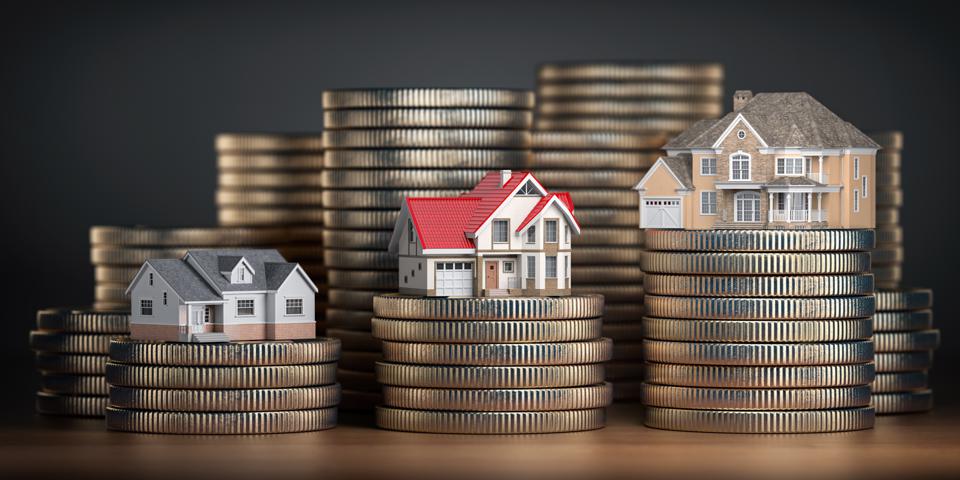
Real estate has long been perceived as one of the most stable and rewarding avenues for wealth creation. Historically, owning property was equated with prosperity and permanence, offering tangible assets in an often unpredictable world. However, the real estate sector has evolved significantly, shaped by technological innovation, shifting demographics, and global economic forces. Today, real estate is more than a simple transaction of buying and selling homes—it is a dynamic, multifaceted industry with diverse investment strategies and emerging trends that continue to redefine its boundaries.
Understanding the Real Estate Market
At its core, real estate encompasses land, buildings, and natural resources attached to it. The industry is generally divided into four primary sectors:
-
Residential Real Estate: Includes single-family homes, condominiums, townhouses, and multi-family units.
-
Commercial Real Estate (CRE): Encompasses office buildings, retail spaces, hotels, and mixed-use developments.
-
Industrial Real Estate: Comprises warehouses, factories, distribution centers, and research facilities.
-
Land: Raw land, agricultural land, and infill land fall into this category, often used for future development or natural resource extraction.
Each sector operates under distinct economic dynamics and serves different investor profiles. For example, residential properties appeal to individuals and small investors seeking rental income or homeownership, while commercial and industrial assets attract institutional investors, corporations, and REITs (Real Estate Investment Trusts) looking for scalable returns.
The Shifting Tides of Demand and Supply
The real estate market is highly sensitive to external factors such as interest rates, employment trends, and population growth. One of the most significant drivers of recent years has been urbanization. As cities expand and attract more residents, demand for housing, office space, and infrastructure rises, creating new investment opportunities and development challenges.
Furthermore, the global pandemic catalyzed dramatic shifts in real estate demand. Remote work altered the need for commercial office space, leading to adaptive reuse of buildings and a surge in interest for suburban and rural residential properties. Simultaneously, logistics and e-commerce fueled the rapid expansion of industrial real estate, particularly warehouses and distribution hubs located near major metropolitan centers.
Real Estate as an Investment Strategy
Investing in real estate offers several advantages:
-
Tangible Asset: Unlike stocks or bonds, real estate provides a physical asset that can appreciate over time.
-
Cash Flow Potential: Rental income from residential or commercial properties can offer consistent, long-term cash flow.
-
Tax Benefits: Investors often benefit from tax deductions related to mortgage interest, depreciation, and operating expenses.
-
Diversification: Real estate can help diversify an investment portfolio, offering a hedge against inflation and market volatility.
That said, real estate investment also demands careful consideration. High upfront capital, property management responsibilities, and market risk must all be factored into any decision.
Innovative Trends Reshaping the Industry
As technology infiltrates every aspect of modern life, real estate is no exception. Several emerging trends are transforming the industry in meaningful ways:
1. PropTech (Property Technology)
PropTech refers to the use of digital tools and platforms to streamline real estate processes. From virtual property tours and online closings to smart home automation and AI-driven market analysis, PropTech is enhancing transparency, efficiency, and customer experience.
2. Sustainable Development
Environmental consciousness is becoming a central focus for developers and investors alike. Green buildings, energy-efficient designs, and sustainable materials are not only reducing carbon footprints but also driving long-term value. Certifications such as LEED (Leadership in Energy and Environmental Design) are increasingly influencing property valuations and tenant preferences.
3. Fractional Ownership and Crowdfunding
Real estate crowdfunding platforms allow smaller investors to buy fractional shares in properties, democratizing access to high-value assets. This approach reduces entry barriers and allows for broader portfolio diversification across different markets and property types.
4. Adaptive Reuse and Urban Redevelopment
As cities evolve, underutilized or abandoned spaces are being reimagined. Warehouses are converted into loft apartments, factories into art galleries, and old office buildings into boutique hotels. These creative adaptations preserve cultural heritage while responding to contemporary needs.
Navigating Challenges in a Competitive Market
Despite its potential, the real estate market is not without risks. Regulatory changes, market saturation, and economic downturns can impact property values and rental income. Additionally, rising construction costs, labor shortages, and zoning restrictions can pose obstacles to development and profitability.
Investors must also contend with interest rate fluctuations. Since real estate is often leveraged through loans, higher interest rates can reduce affordability and dampen demand. Keeping a close eye on macroeconomic indicators and regional trends is essential for mitigating these risks.
The Human Element in Real Estate
While numbers and analytics play a critical role, the real estate industry is inherently personal. Whether it’s a family buying their first home or a business searching for the perfect location, real estate decisions are deeply tied to aspirations, lifestyles, and community development. Successful real estate professionals recognize the value of relationships, negotiation skills, and market intuition.
Looking Ahead: The Future of Real Estate
As we look to the future, the real estate landscape promises to remain dynamic. Climate change will necessitate resilient infrastructure. Technology will further integrate with real estate, enabling smarter, more connected spaces. And demographic shifts—such as aging populations and changing household structures—will influence the types of properties in demand.
In an increasingly globalized world, real estate will continue to be both a refuge for stability and a frontier for innovation. Whether you’re a first-time buyer, seasoned investor, or industry professional, understanding the evolving nature of real estate is key to unlocking its enduring potential.