

Buying a home in Kansas City can feel both exciting and overwhelming. There are open houses, mortgage approvals, inspection checklists, and plenty of decisions happening quickly. In the middle of all that activity, it is easy to focus on cosmetic features like updated kitchens or fresh paint.
But long-term stability does not come from countertops or flooring. It starts beneath the structure. Many buyers eventually begin researching foundation inspection in Kansas City after realizing that a home’s structural health matters more than its finishes. A thorough foundation inspection can reveal what the eye cannot immediately see.
Why Kansas City Homes Require Close Structural Attention
Kansas City soil conditions play a significant role in foundation performance. Expansive clay soils are common in the region. These soils absorb water during rainy periods and swell, then shrink during dry conditions.
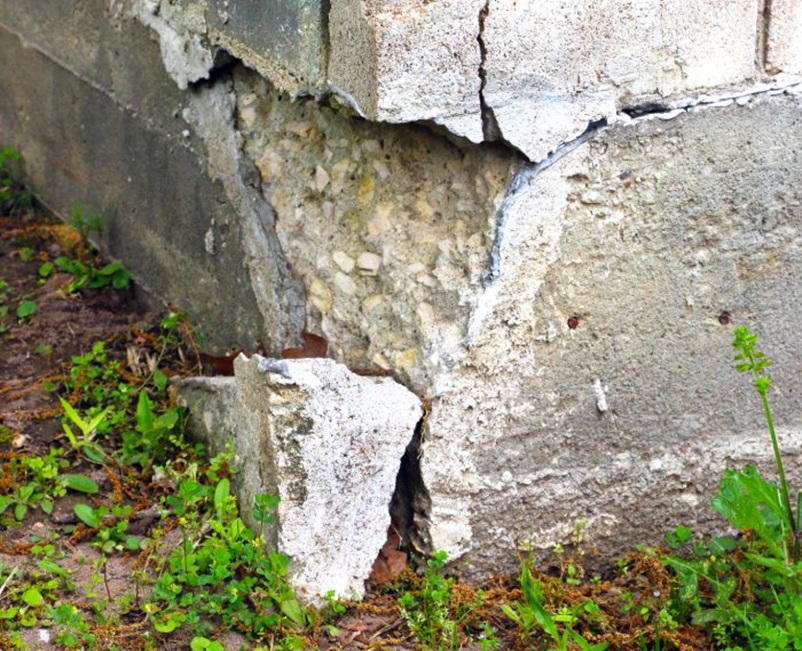
This constant expansion and contraction places repeated stress on foundations. Over time, that stress can lead to cracking, settlement, or wall movement.
Because these changes happen gradually, a home may look perfectly stable on the surface while subtle structural adjustments are taking place below.
A foundation inspection provides clarity before those issues become more noticeable.
The Difference Between A General Home Inspection And A Foundation Inspection
Many buyers assume that a general home inspection covers everything. While general inspectors often identify visible cracks or signs of moisture, they do not always perform detailed structural analysis.
A foundation inspection focuses specifically on structural alignment, soil interaction, crack progression, and load distribution. It evaluates whether visible signs are cosmetic or structural.
In Kansas City, where soil movement is common, that distinction matters.
Buyers who rely solely on surface-level inspection may overlook early-stage movement.
Why Sellers Also Benefit From Foundation Inspection
Foundation inspections are not only for buyers. Sellers can benefit just as much.
Obtaining a foundation inspection before listing a home allows sellers to address potential concerns proactively. Instead of reacting to buyer objections during negotiations, sellers can provide documented structural clarity upfront. This transparency often builds trust and reduces delays during closing.
In competitive markets, confidence in structural stability can influence buyer decisions.
Early Warning Signs That Trigger Inspection
Some structural concerns are obvious. Others are subtle.
Homeowners in Kansas City often request a foundation inspection after noticing:
- Stair-step cracks in brickwork
- Gaps between walls and ceilings
- Uneven flooring
- Doors that stick or do not latch properly
- Cracks around window frames
Individually, these signs may not indicate serious damage. Together, they may suggest soil movement beneath the foundation.
Inspection helps determine whether stabilization is necessary or monitoring is sufficient.
The Financial Perspective
Foundation issues can significantly affect property value. Buyers often factor repair costs into negotiations if structural movement is suspected.
However, uncertainty creates more hesitation than confirmed information.
A foundation inspection provides measurable data. It clarifies whether repairs are needed immediately, in the future, or not at all.
This clarity helps buyers make informed financial decisions instead of relying on assumptions.
How Soil And Drainage Influence Inspection Results
During an inspection, drainage patterns are evaluated alongside structural components. Improper grading or poor water runoff can intensify soil expansion near the foundation.
In Kansas City, heavy rainfall combined with clay soil increases hydrostatic pressure against basement walls.
Identifying drainage issues early prevents recurring structural stress.
Foundation inspection often reveals that water management improvements can reduce further movement.
Why Timing Matters In Kansas City
Kansas City experiences seasonal moisture changes that affect soil behavior. Inspections performed during wet seasons may reveal different stress patterns than those conducted during dry spells.
Understanding how foundations respond across seasons provides a more accurate assessment of long-term stability.
Professional inspectors consider these environmental factors rather than relying solely on visible cracks.
Preventing Escalation Through Early Evaluation
Structural movement tends to progress slowly. A small settlement may not feel urgent. However, waiting until movement becomes obvious can increase the scope of repair.
Early foundation inspection allows homeowners to monitor conditions before major adjustments are required.
Preventative stabilization is often more manageable than corrective reconstruction.
The Long-Term Value Of Structural Clarity
A foundation inspection offers more than a pass-or-fail result. It provides a roadmap for structural health. Even if no immediate repair is needed, homeowners gain peace of mind. If reinforcement is recommended, it can be planned thoughtfully rather than in an urgent manner.
In markets like Kansas City, where soil behavior is predictable yet impactful, structural clarity protects long-term investment.
Conclusion
Real estate decisions often move quickly, but structural decisions deserve careful evaluation. Cosmetic updates can be changed over time. Foundations support everything above them.
At Kansas City Foundation Repair Specialists, many homeowners and buyers learn that a foundation inspection is not about expecting failure. It is about confirming stability before committing to long-term ownership.
In a region shaped by expansive soil and seasonal shifts in moisture, understanding the foundation’s condition provides confidence that lasts long after closing day.