

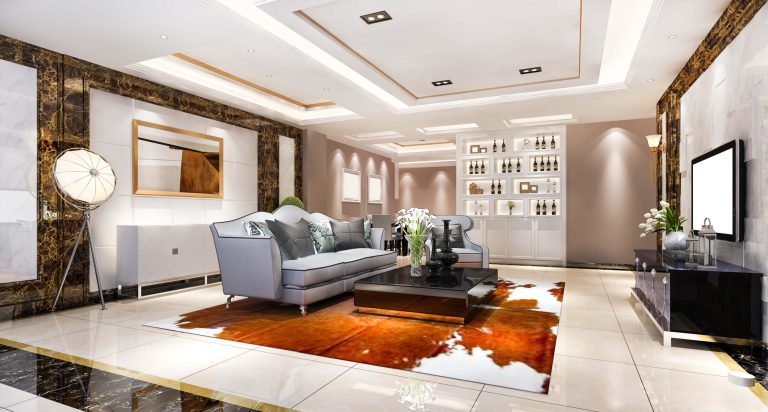
In today’s urban landscape, apartments have become far more than simply places to live. They reflect lifestyle choices, aspirations, and a nuanced balance between convenience and comfort. As cities grow denser and the demand for efficient, stylish living spaces increases, apartments continue to evolve in design, function, and cultural relevance. From high-rise penthouses with panoramic views to charming studio units nestled in historic buildings, the apartment has transformed into a symbol of contemporary living.
The Appeal of Apartment Living
Apartments offer a unique blend of benefits that cater to diverse demographics—from young professionals to retirees. This appeal often stems from three main aspects: location, convenience, and lifestyle.
1. Prime Location
Apartments are commonly situated in urban centers or vibrant neighborhoods, granting residents close access to employment hubs, cultural attractions, dining, and nightlife. The ease of walking or cycling to work, cafes, or parks is a major draw for those looking to minimize commute times and enjoy a more integrated urban experience.
2. Minimal Maintenance
Unlike single-family homes, apartments typically relieve residents of time-consuming chores like yard work, roof repairs, or exterior maintenance. Building management often handles these responsibilities, allowing residents to focus on work, leisure, and social life without the burden of ongoing upkeep.
3. Lifestyle Amenities
Modern apartment complexes frequently feature luxury amenities such as fitness centers, rooftop terraces, swimming pools, and co-working spaces. These additions enhance quality of life and encourage a sense of community, particularly appealing in an age where social interaction and wellness are highly valued.
Types of Apartments to Suit Every Taste
The diverse world of apartments includes a wide range of options to suit individual preferences, budgets, and lifestyles. Understanding the distinctions between various apartment types can help potential renters or buyers find the perfect match.
Studio Apartments
Ideal for minimalists or those seeking a compact, efficient space, studio apartments combine living, dining, and sleeping areas into one open room. They often include a separate bathroom and a small kitchenette, making them an affordable and manageable option for solo dwellers.
One- and Two-Bedroom Apartments
These units offer more defined living spaces, including separate bedrooms, which provide added privacy and flexibility. They are well-suited for couples, small families, or roommates who value both community and personal space.
Loft Apartments
Lofts are known for their high ceilings, open floor plans, and industrial features such as exposed brick and ductwork. Often converted from former warehouses or factories, lofts are favored by artists and creatives who appreciate the unique character and spacious feel.
Luxury Apartments
Designed for those with refined tastes, luxury apartments include high-end finishes, premium appliances, and bespoke design elements. Often located in upscale neighborhoods or high-rise buildings, these apartments offer a lifestyle of comfort and sophistication.
The Shift Toward Sustainable Living
In recent years, sustainability has become a defining feature in apartment design and development. Many new buildings are constructed with eco-friendly materials, energy-efficient systems, and green certifications like LEED. Developers are also integrating features such as solar panels, rainwater harvesting, and smart home technology.
This shift is driven not only by environmental concerns but also by the preferences of modern consumers, particularly younger generations who value ethical living and long-term cost savings. Apartments that prioritize sustainability often enjoy higher demand and contribute positively to the broader goal of urban environmental stewardship.
Challenges and Considerations
While apartment living offers numerous advantages, it is not without its challenges. Prospective residents should consider factors such as:
-
Noise levels, particularly in densely populated buildings
-
Lack of outdoor space, which may be a drawback for those who enjoy gardening or entertaining outdoors
-
Limited storage, often necessitating creative organizational solutions
-
Community rules and restrictions, such as pet policies or renovation limitations
Balancing these potential downsides with the benefits is essential to ensure that apartment living aligns with individual needs and lifestyle preferences.
The Future of Apartments: Technology and Flexibility
The future of apartment living is poised to become even more dynamic and adaptive. With advances in technology, many apartments now offer smart features such as app-controlled lighting, climate control, and security systems. Virtual tours, online leasing, and digital concierge services are reshaping how residents interact with their homes.
Moreover, the rise of remote work has prompted a reevaluation of apartment layouts. Developers are now incorporating flexible spaces that can serve as home offices or creative studios, acknowledging the blurred boundaries between work and home.
In addition, co-living arrangements—where residents share common spaces while maintaining private bedrooms—are gaining traction, especially in cities with high housing costs. This model fosters community while offering affordability and flexibility.
Final Thoughts
Apartments represent more than a housing option—they embody a lifestyle marked by efficiency, accessibility, and a certain urban charm. As societal values shift and technology advances, the apartment continues to adapt, offering innovative solutions to modern living challenges.
Whether in a sleek downtown high-rise or a cozy neighborhood block, apartments provide a tailored living experience that suits a wide spectrum of personal and professional needs. With thoughtful design, sustainable practices, and evolving amenities, they are well-positioned to remain a cornerstone of urban living for generations to come.