

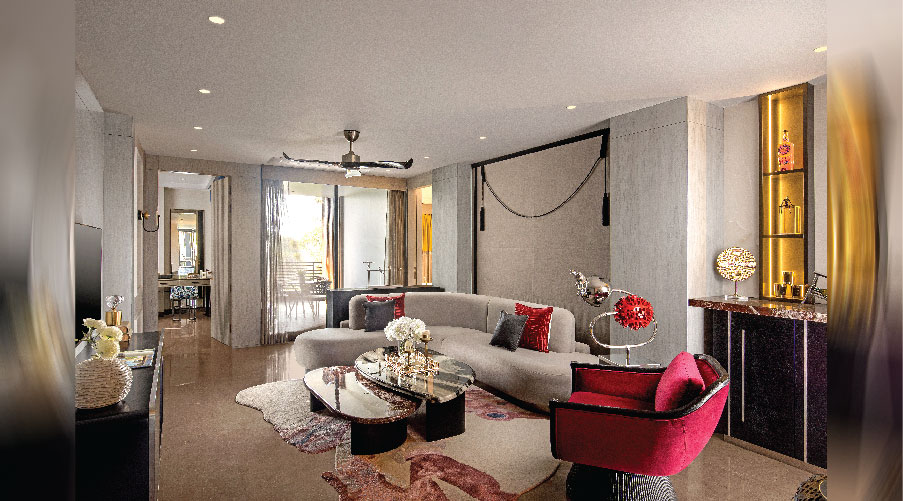
Apartments have long been a cornerstone of urban life, providing a practical and often elegant solution to the complexities of modern living. As cities expand and lifestyles evolve, the appeal of apartment living continues to grow, offering a refined blend of convenience, community, and comfort. Whether perched in a gleaming high-rise or nestled within a charming pre-war building, apartments offer a unique and flexible living experience that meets the needs of a diverse population.
The Essence of Apartment Living
At its core, apartment living is defined by balance—the balance between privacy and community, simplicity and sophistication, urban vibrancy and domestic tranquility. Apartments are not merely places to reside; they are curated spaces that reflect personal taste, lifestyle choices, and the rhythm of daily life.
Key Benefits of Apartment Living
- Proximity to Urban Amenities: Most apartments are situated in desirable neighborhoods, close to cultural hubs, fine dining, boutique shopping, and public transportation.
- Ease of Maintenance: Without the demands of yard work, exterior repairs, or structural upkeep, apartment dwellers enjoy a low-maintenance lifestyle.
- Built-In Amenities: Many modern apartment complexes offer premium amenities such as fitness centers, rooftop lounges, concierge services, and secure parking.
- Enhanced Security: Controlled access, surveillance systems, and on-site staff often contribute to a heightened sense of safety.
- Community Atmosphere: Shared spaces and organized events foster social interaction and a sense of belonging.
A Diversity of Styles and Spaces
Apartments come in a variety of layouts and styles, each catering to different preferences, financial considerations, and life stages. Understanding the types of apartments available can guide prospective renters or buyers toward a well-suited choice.
Studio Apartments
Compact and efficient, studios combine living, sleeping, and cooking areas into a single open space. They are ideal for individuals seeking simplicity, affordability, and a central location.
One- and Two-Bedroom Units
These units provide defined living and sleeping areas, offering more privacy and flexibility. They are a popular choice for couples, young families, or roommates.
Loft Apartments
Known for their high ceilings, open floor plans, and industrial design elements, lofts often exude a sense of artistic flair and spaciousness. They appeal to those who value creative expression and architectural character.
Penthouse Apartments
Situated at the top of high-rise buildings, penthouses offer expansive layouts, luxurious finishes, and often breathtaking views. These exclusive residences are the epitome of urban luxury.
Garden Apartments
Typically found in low-rise buildings with access to green spaces, garden apartments provide a serene atmosphere while still offering urban convenience.
Modern Innovations in Apartment Living
As technology and design continue to evolve, so too does the experience of living in an apartment. Contemporary developments place a strong emphasis on sustainability, smart home features, and wellness-oriented design.
Sustainability Features
Newer buildings are frequently constructed with eco-friendly materials and energy-efficient systems. Features may include solar panels, green roofs, rainwater collection, and LEED certification.
Smart Technology
Smart thermostats, keyless entry, app-controlled lighting, and voice-activated assistants are becoming standard in upscale apartment homes. These features not only add convenience but also enhance security and energy efficiency.
Health and Wellness Design
With increased focus on mental and physical well-being, developers are incorporating natural light, air filtration systems, noise reduction materials, and wellness-focused amenities such as yoga studios and meditation rooms.
Considerations Before Choosing an Apartment
While the benefits are numerous, apartment living also requires thoughtful consideration of personal needs, lifestyle preferences, and long-term goals.
Space and Storage
Apartments typically offer less storage space than single-family homes. Efficient organization and creative furniture solutions can help maximize available room.
Privacy
Shared walls, communal spaces, and building rules may impact one’s sense of privacy. Selecting a unit in a quieter section of the building or investing in soundproofing can mitigate potential concerns.
Cost and Fees
In addition to rent or purchase price, residents may encounter association fees, utility costs, and charges for amenities. Understanding the full financial picture is essential for making an informed decision.
Pet Policies
Not all apartments accommodate pets. It is important to review pet policies, including breed restrictions, pet deposits, and designated pet areas, before moving in.
The Social Dimension of Apartment Life
One of the subtle yet profound aspects of apartment living is the opportunity for social connection. In contrast to the isolation often associated with suburban living, apartments foster a sense of shared experience.
Community Events
Many complexes host events such as holiday gatherings, fitness classes, and networking nights, encouraging residents to engage and form friendships.
Shared Spaces
Common areas—lounges, courtyards, co-working spaces—create opportunities for casual interactions and community building.
Diverse Demographics
Apartments attract a broad range of residents from different backgrounds and life stages, enriching the social fabric and promoting cultural exchange.
Looking Ahead: The Future of Apartment Living
As urban centers adapt to shifting demographics and changing work patterns, apartments are becoming more adaptable and versatile than ever before. Flexible lease terms, modular interior design, and co-living arrangements are emerging trends, particularly in response to the growing gig economy and remote work culture.
Moreover, the integration of biophilic design—bringing nature indoors—along with advanced building materials and sustainable practices, points to a future where apartments are not just functional but also restorative environments.
Conclusion
Apartments represent more than a housing option—they embody a way of life that blends practicality with elegance, efficiency with comfort. For those who seek the vibrancy of city life, the ease of low-maintenance living, and the benefits of thoughtful design, apartment living offers an enduring and compelling choice. As our cities continue to grow and change, apartments will remain at the forefront of urban living, offering timeless appeal and endless possibilities for those who call them home.