

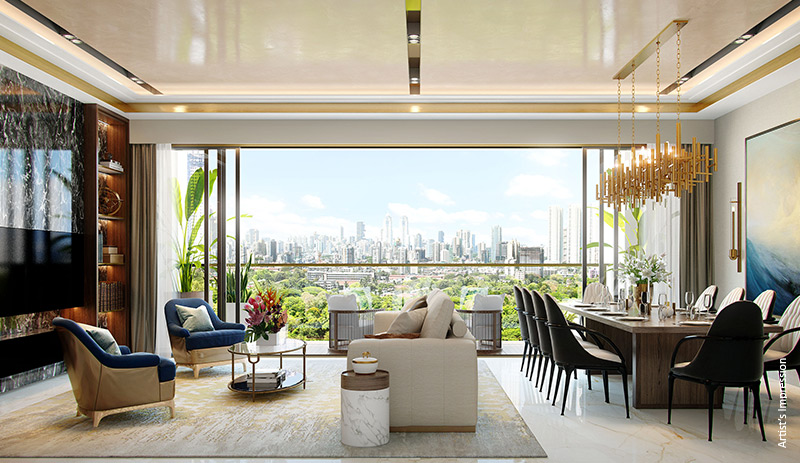
In a world where urban space is increasingly limited and lifestyles are becoming ever more dynamic, the humble apartment has undergone a quiet revolution. No longer viewed merely as a stepping stone to homeownership or a transient space for young professionals, apartments today represent a conscious lifestyle choice—one that blends sophistication, practicality, and modern design. Whether tucked within a historic brownstone or perched atop a shimmering high-rise, apartments have become emblematic of contemporary urban living.
The Evolution of the Apartment Concept
Historically, apartments were designed for convenience and economy, catering largely to those unable or unwilling to maintain a standalone home. However, as cities grew and property values soared, the apartment evolved to meet changing societal demands. Today, they cater to an array of tastes, from minimalist studios to lavish penthouses, each offering a unique experience tailored to different lifestyles.
This evolution reflects broader shifts in how we live and work. Remote employment, global mobility, and the desire for walkable neighborhoods have reshaped housing priorities. In this context, apartments offer a compelling answer: flexible, efficient, and often located in the heart of vibrant urban centers.
Advantages That Define Apartment Living
While single-family homes have long been a symbol of stability and ownership, apartments present a refined alternative that suits modern sensibilities. The appeal of apartment living is rooted in several key benefits that go beyond mere shelter.
1. Location and Accessibility
Apartments often occupy prime real estate in bustling city centers or well-connected suburban areas. Residents enjoy immediate access to business districts, cultural venues, dining, shopping, and public transport. For many, this proximity is a lifestyle enhancer, reducing commute times and expanding leisure opportunities.
2. Low-Maintenance Living
A significant draw of apartment life is the reduced burden of maintenance. Tasks such as lawn care, exterior repairs, and security are typically handled by building management. This allows residents to focus on personal pursuits without the time-consuming obligations associated with traditional homeownership.
3. Amenities That Elevate Daily Life
Contemporary apartment complexes are replete with amenities designed to enrich daily living. These often include fitness centers, rooftop gardens, swimming pools, resident lounges, and co-working spaces. Such conveniences not only foster comfort but also build a sense of community among residents.
4. Security and Peace of Mind
Apartments frequently offer enhanced security features—gated entryways, surveillance systems, secure parking, and on-site staff—all of which provide residents with greater peace of mind.
A Diverse Array of Apartment Types
Apartments are as varied as the people who inhabit them. Understanding the different types available can help prospective residents make informed decisions based on space needs, lifestyle, and budget.
Studio Apartments
Ideal for individuals seeking efficiency and simplicity, studios combine sleeping, cooking, and living spaces in a single open-plan room. Their compact size makes them easy to maintain and often more affordable than larger units.
One- and Two-Bedroom Apartments
These provide more delineated spaces, offering separate rooms for sleeping, dining, and relaxing. Suitable for singles, couples, or small families, they strike a balance between space and cost.
Loft Apartments
Often found in converted industrial buildings, lofts feature high ceilings, large windows, and open floor plans. Their distinctive aesthetic—exposed brick, steel beams, and hardwood floors—appeals to those seeking a unique, artistic living environment.
Luxury Apartments
Designed for those with discerning tastes, luxury apartments offer premium finishes, designer fixtures, and expansive layouts. They are typically situated in high-end developments with concierge services, valet parking, and other exclusive amenities.
Penthouse Suites
At the pinnacle of the apartment hierarchy are penthouses, offering sweeping views, private terraces, and bespoke interiors. These homes provide a lavish living experience akin to that of a private residence, but with the advantages of apartment living.
Considerations When Choosing an Apartment
Selecting the right apartment involves more than choosing a floor plan. Prospective tenants or buyers must weigh factors such as location, cost, lifestyle needs, and community atmosphere.
Space Requirements
Consideration of daily routines, storage needs, and long-term plans is essential when evaluating space. While a studio may suffice for one, a two-bedroom unit may better suit a remote worker or small family.
Lease Terms and Costs
Beyond rent or mortgage payments, residents should account for utilities, maintenance fees, and potential additional costs for parking or amenities. Lease flexibility—month-to-month versus long-term—can also influence the decision.
Community Culture
Every apartment complex has its own ambiance. Some foster social interaction through events and shared spaces, while others prioritize privacy and tranquility. Matching the community vibe to personal preference ensures a more harmonious living experience.
The Future of Apartments: Smart, Sustainable, and Sophisticated
The future of apartment living lies at the intersection of innovation and sustainability. Developers are increasingly incorporating green building materials, energy-efficient systems, and smart technology into their designs.
Smart Living Features
Modern apartments often include keyless entry, app-controlled climate systems, and integrated home automation. These technologies enhance convenience and can lead to energy savings over time.
Sustainability and Eco-Conscious Design
From solar panels to rainwater harvesting, sustainable features are becoming standard in new developments. Residents benefit not only from lower utility costs but also from the satisfaction of reducing their environmental footprint.
Flexible Living Spaces
As work-from-home becomes the norm for many, apartments are adapting with multi-functional spaces that serve both professional and personal needs. Built-in workstations, soundproof rooms, and high-speed internet are increasingly in demand.
Conclusion: Apartments as a Lifestyle Statement
Apartments today are more than residences; they are expressions of a lifestyle centered on accessibility, design, and community. As the needs of modern city dwellers continue to shift, apartments offer a flexible, elegant, and sustainable living solution. Whether for the minimalist who values efficiency or the connoisseur seeking urban luxury, apartment living holds timeless appeal, shaped by the values and rhythms of contemporary life.